How's the Ram 1500 Classic Different From the Ram 1500?
March 22 2024 - support@wikimotive.com
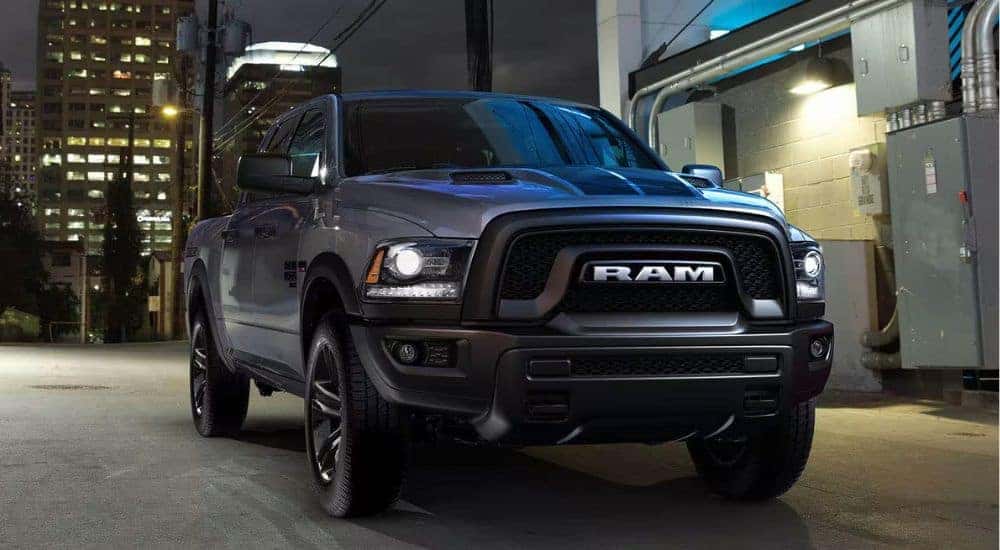 This is a great question and one that’s simultaneously simple to answer yet also has a bit of a complicated background to it. Of course, as your new and used Ram dealership, we’re always happy to answer any questions you have and make sure you find the perfect truck with everything you’re looking for. The short answer to this question is that the Ram 1500 is the current-generation version of this incredible truck, while the Ram 1500 Classic focuses on a more simpler design. A Ram 1500 Classic isn’t a used vehicle (unless it was already sold as new once and owned by someone else) but rather is evidence of just how popular the older generations of the Ram truck were and remain. For a longer answer, stick around and learn more about these two remarkable trucks…
Ram Trucks and Different Generations
To fully understand and appreciate the fundamental difference between these two trucks, you first have to understand how vehicles are designed and made. You start with a new model: different automotive engineers and designers work on it, and they eventually release it. This initial release of the vehicle is its first generation. From there, the vehicle typically has small updates and improvements in the model years that follow to keep it fresh and incentivize new buyers. Sometimes, they’ll get bigger updates that don’t involve a full redesign but might feature some new exterior details or a refreshed interior—this is typically called a facelift or refresh. After a while, however, the car company will either decide to cancel a model if it’s not performing well or fully update it with a redesign. The engineers and designers try to retain the spirit of the vehicle and some of its most popular features while also taking a new approach to it. When this happens, the model enters its next generation—this makes it easier to distinguish when a major redesign happens. This is particularly helpful when looking at used vehicles and wanting a certain engine or feature offered for a specific generation. So, what does this have to do with these two trucks? Well, the modern Ram 1500 started its life more than 40 years ago as the Dodge Ram with its first generation for the 1981 model year. The second-generation Dodge Ram followed that for the 1994 model year, which ran through 2001, when it was followed by the third-generation Ram truck for the 2002 model year. This third-gen model received an update and facelift for 2006, then the fourth-generation Dodge Ram was released for the 2009 model year. Things get a little tricky here because Dodge and Ram became separate brands right after this, and the Dodge Ram became the Ram 1500 (no Dodge anymore) starting with the 2011 model year. This truck received an update and facelift for 2013 and this generation is known as the Ram 1500 DS—it was quite popular (and remains so). For the 2019 model year, the fifth-generation Ram 1500 DT was released with a full redesign and plenty of new features inside and out. Since the Ram 1500 DS was so popular, the folks running the show decided to keep it around, still made as new with the older design and features—this is the Ram 1500 Classic. We told you it would be a longer, more complicated answer. The point is that these aren’t some trucks that were sitting around in a warehouse somewhere. Production of the fourth-generation Ram 1500 has continued since the release of the fifth-generation model, and it has remained popular with many drivers. So much so that it still remains in production for the 2024 model year, which is practically unheard of in the auto industry. This is a testament to how remarkable this truck has always been and how well it provides impressive power and performance.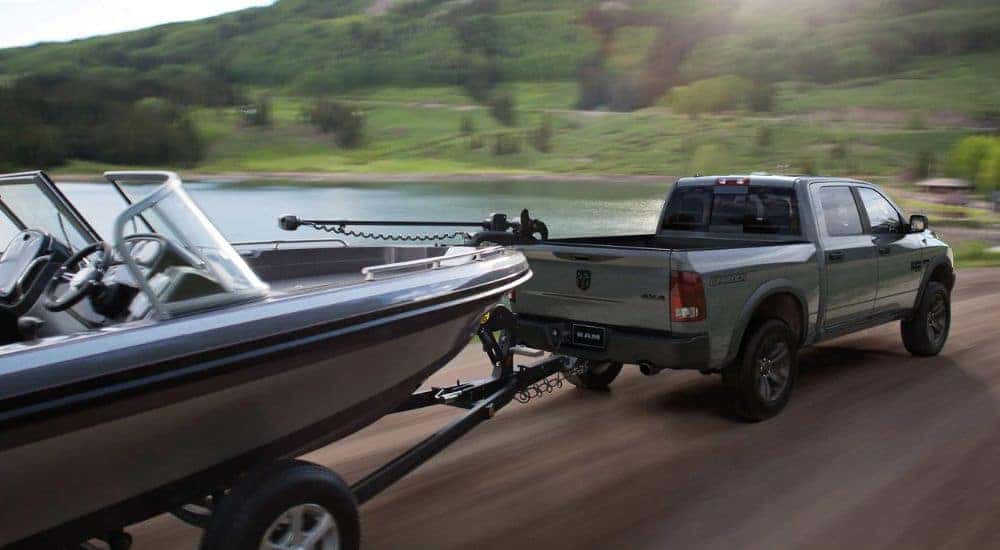
Differences Between the Ram 1500 Classic and Ram 1500
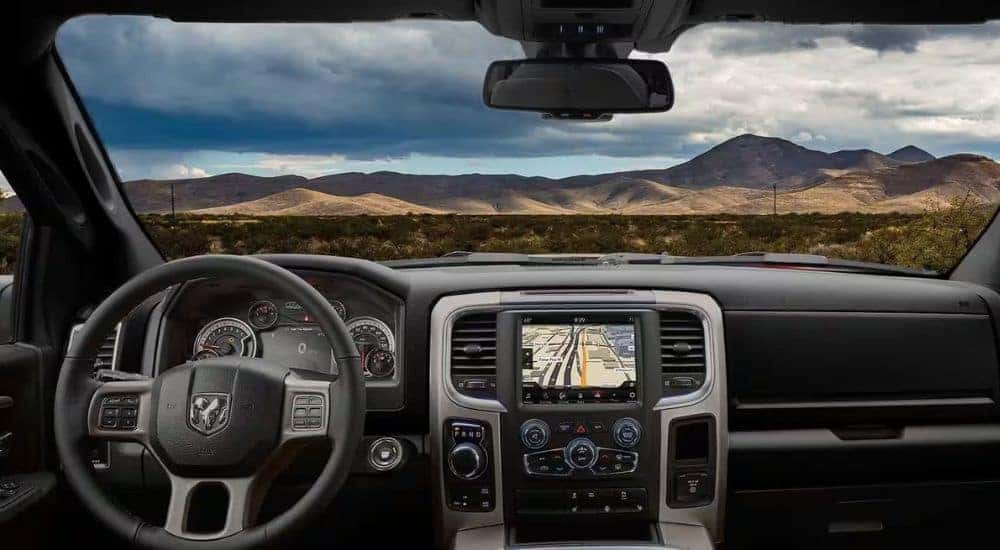
This is the big question, right? Fortunately, the differences are quite pronounced, so there’s no mistaking the two vehicles, even if you’re not looking at the badging on a given truck. For starters, the Ram 1500 Classic has retained the engines and powertrains from the previous generation, starting with a 3.6L Pentastar V6 that offers 305 hp and 269 lb-ft of torque. There’s also an available 5.7L HEMI V8 engine that delivers an impressive 395 hp and 410 lb-ft of torque, both of which are paired with an eight-speed automatic transmission. By comparison, more engines have typically been available for the current-generation Ram 1500; for example, the 2023 Ram truck also has an available 3.0L turbo diesel that puts out 260 hp and 480 lb-ft of torque. As important, the standard 3.6L V6 on the Ram 1500 is tuned to provide 273 lb-ft of torque and includes a mild hybrid power system for enhanced overall performance. Perhaps most notably, the improved engineering of the current generation allows for greater capability: while the Ram 1500 Classic can haul up to 10,610 lbs behind it with the available V8 engine, the Ram 1500 offers up to 12,750 lbs of maximum towing with its comparable HEMI V8. There are also numerous differences between these two trucks once you look beyond their power and performance and move inside them. Most dramatically, while the Ram 1500 Classic has an 8.4-inch Infotainment display available, the current Ram 1500 goes well past that with a gorgeous 12-inch screen. You won’t find this larger display on the previous-generation truck, nor does it have numerous tech improvements (including more refined infotainment software) that you can find on the new generation. That’s one of the main reasons some drivers prefer the Ram 1500; it ensures they can get the latest features and options. However, one of the major advantages of the Ram 1500 Classic has been its previous-generation price tag. Looking at these two models for 2023, the Ram 1500 starts at $37,410 MSRP while the Ram 1500 Classic starts off at $32,345 MSRP.[a] That’s a significant difference that has a big impact if you’re looking for a full-size truck on a tight budget. For many people, the extra features and more rugged capability of the current generation are well worth the price, but having more trucks accessible to a wider range of drivers is always a good thing.